
Common questions
Ask us anything.
Buying your first home comes with a hundred questions. Here are the answers we give most often.
Money
How much must I earn to buy a R700 000 house?
About R23 000 a month, on your own or combined with a partner or family member. Banks work on roughly 30% of your gross income going to the bond, and a R700 000 home over 20 years at 10.5% comes to around R6 990 a month. If you earn less than that, a joint application or a First Home Finance subsidy can close the gap. Your own number depends on your debts and your credit record, so the guide above is a starting point, not a verdict.
Check your real number freeDo I need a deposit?
Often not. 100% bonds are common in this market, especially on new developments, so plenty of our buyers start with R0 down. A deposit is never wasted though: every rand you put down lowers your monthly repayment, and it can earn you a better interest rate from the bank. Put down what you comfortably can and no more, because you will want cash left over for moving in.
Check your real number freeWhat will my monthly repayment be?
Roughly R1 000 a month for every R100 000 you borrow, at today's rates. A R749 000 home works out to about R7 480 a month over 20 years at 10.5%. Every listing on our site shows its own estimate right on the card, so you never have to guess or do the maths yourself. Your bank sets your final rate based on your credit profile, which moves that number up or down a little.
Check your real number freeWhat is First Home Finance and do I qualify?
First Home Finance, still widely called FLISP, is a government subsidy for first-time buyers earning roughly R3 501 to R22 000 a month. It pays a lump sum toward your home, which either shrinks your loan or covers your upfront costs, so your monthly repayment drops. To qualify you need to be a South African citizen over 18, buying your first property. We check your eligibility and handle the application with you.
Check your real number freeGetting approved
How does pre-approval work?
You answer a few questions about what you earn and what you owe, and a bond originator tells you what a bank is likely to lend you. It takes about two minutes online and it is a soft check, which means it leaves no mark on your credit record. You come out with a number you can shop with, so you only look at homes you can actually buy. We use BestBond, and they do not charge you for it.
Check your real number freeWhat if the bank says no?
It is not the end, and it happens to plenty of people the first time round. Usually it comes down to one fixable thing: a thin credit history, an account in arrears, or too much of your income already going to debt. We tell you exactly which one it was and what to do about it, in plain words. Most people who sort that out and come back six to twelve months later get a yes.
Does checking what I qualify for cost anything?
No. The check is free, and you never pay us anything either, at any point in the process. Our fee is paid by the seller or the developer once a sale goes through. So the only money that leaves your pocket goes toward your home.
Check your real number freeBuying
New development or existing property, what is the difference?
A new development is a home nobody has lived in yet. There is no transfer duty, which is the government tax you pay when buying an existing home, the costs are usually built into the price, and it comes with an NHBRC warranty covering the structure. An existing property is a home someone has lived in: often a bigger stand in an established suburb, but budget roughly 8 to 10% of the price for transfer and bond costs. Neither one is better, they simply suit different people.
What are transfer costs?
They are the legal and government fees for putting the property into your name: transfer duty, the conveyancing attorney who does the paperwork, and the bond registration. On an existing property, budget roughly 8 to 10% of the purchase price. On a new development they are usually R0, because the price includes them and no transfer duty applies. We show you the real figure on every home before you make an offer.
How long does the whole process take?
About three months from your offer to your keys. Bond approval usually takes one to two weeks, and the attorneys need six to twelve weeks to register the transfer into your name. A home bought off-plan in a development takes longer, because you are waiting for it to be built. We give you the honest timeline for the specific home, not the best case.
Do I need a lawyer?
You do not need to find one yourself. A conveyancing attorney handles the legal side of every purchase, and the seller or the developer usually appoints them. On an existing property you pay for the bond and transfer attorneys as part of your transfer costs. On a new development that is normally built into the price.
Can foreigners buy property in South Africa?
Yes, foreign nationals can own property here. Bond financing works a little differently though: most South African banks lend foreign buyers a smaller share of the purchase price, so you would need a larger deposit. If you are not a citizen or permanent resident, tell us early and we will tell you honestly what is realistic.
Us
Who will I be dealing with?
A small team of real people, and the same one of us from your first WhatsApp message to your front door. There is no call centre and no queue, so you never have to explain your situation twice to somebody new. You get a direct number. Ask us anything, including the questions you think are too basic, because those are usually the ones that matter most.
Meet the teamWhat areas do you work in?
Boksburg, Benoni, Nigel and Randburg, plus the suburbs around them across the East Rand. We know these areas well enough to tell you which streets are worth your money and which are not. If you are looking somewhere we do not cover, tell us anyway and we will point you to someone who does.
Do I pay Kwantu Homes anything?
No, not at any point. The seller or the developer pays our commission when a sale goes through, which means our fee never comes out of your pocket. You are not paying us for viewings, for advice, or for the pre-approval check. The only money you spend goes toward your home.
Worth reading
Worth reading
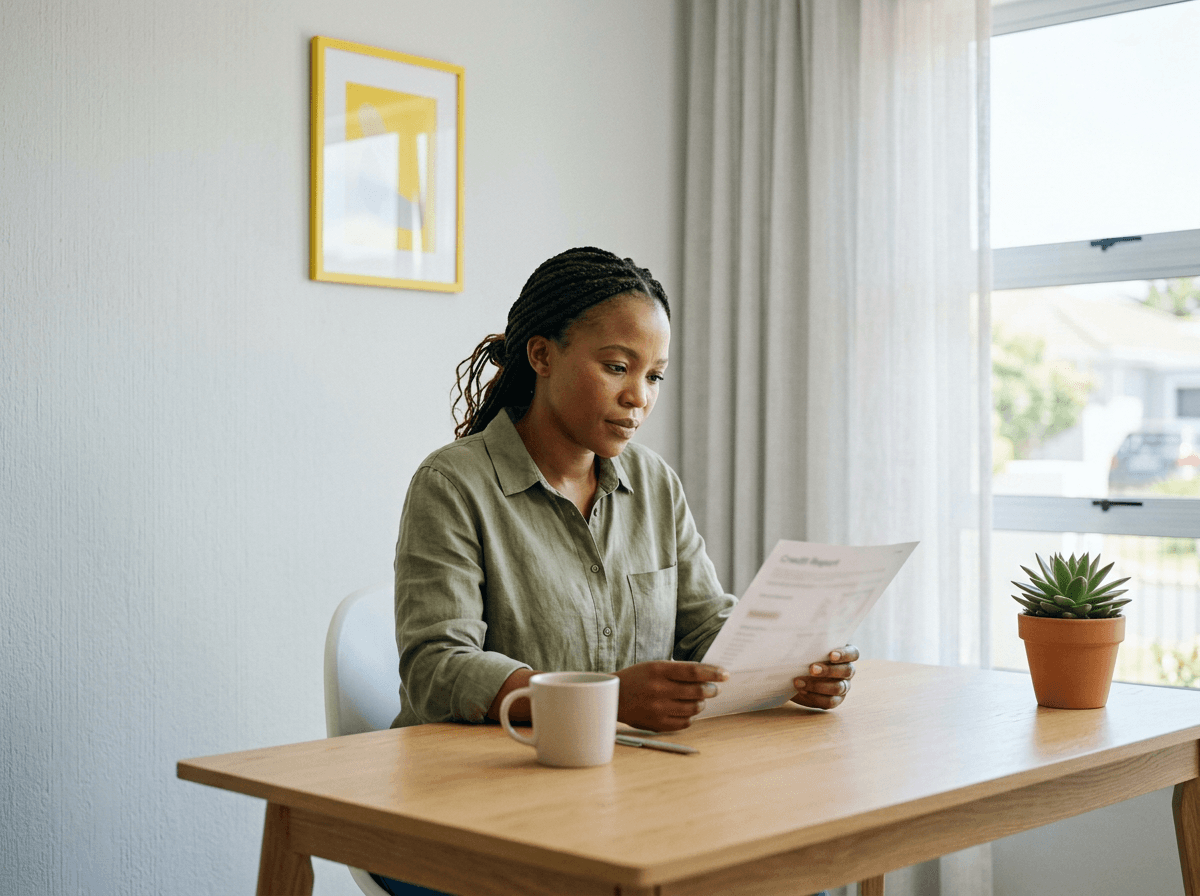
First-Time Buyers
Can You Buy a House in South Africa With Bad Credit?
ou can buy a house with bad credit South Africa banks will still consider, depending how serious it is. Here's what actually helps and what doesn't.
3 min read
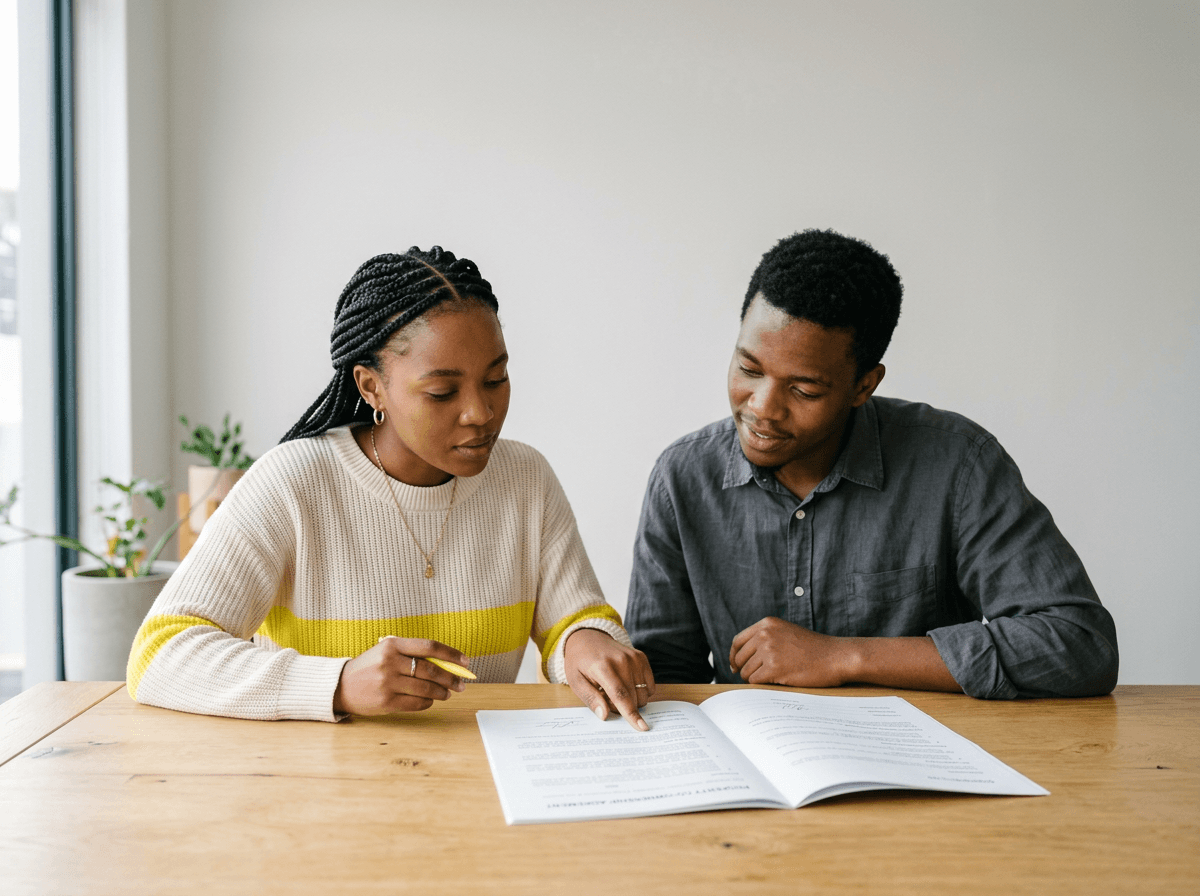
Buying a Home
Buying a House With a Sibling or Friend: What to Sort Out First
Buying a house with a sibling or friend South Africa buyers increasingly do this to afford more. Here's what to sort out before you sign anything.
3 min read
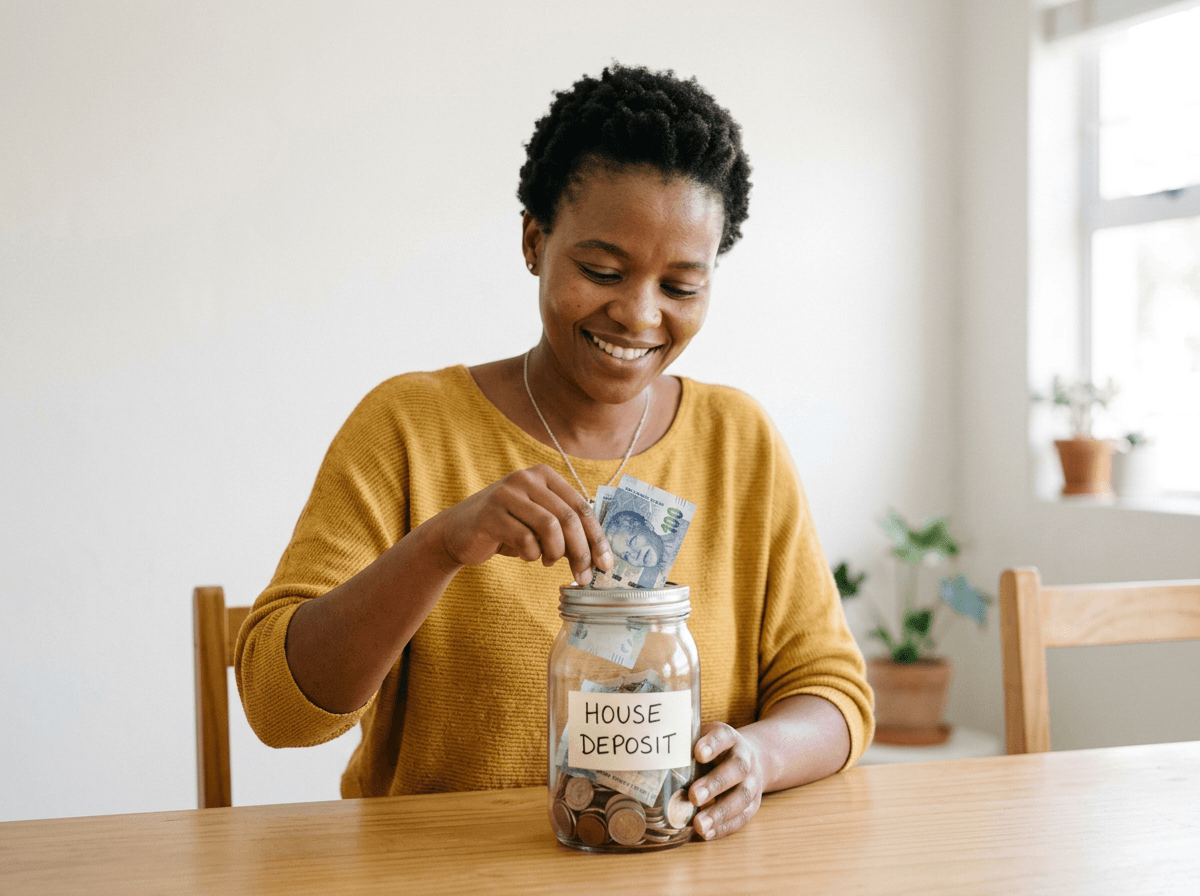
Money & Finance
How to Save for a House Deposit in South Africa
Wondering how to save for a house deposit South Africa buyers need? Here's a real plan, even though many buyers today need R0 at all.
3 min read
ANSWERS DONE
Ready when you are.
Free pre-approval, no documents needed to start.